

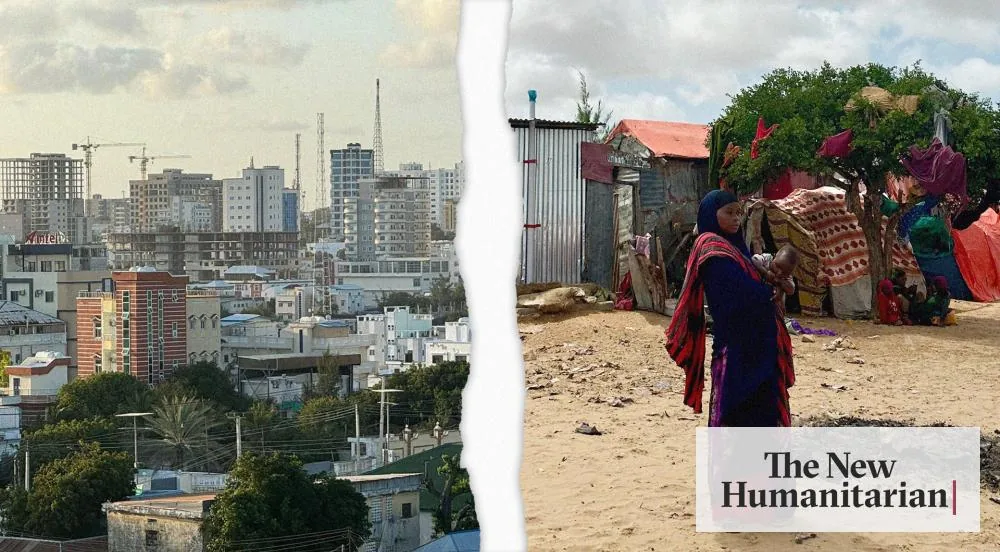
Every morning, the city arrives in layers. A shopkeeper rolls up a metal door. A student crosses a road with a notebook tucked beneath one arm. New concrete rises behind the familiar low roofs.
For years, conversations about Mogadishu’s future have been measured in skylines — the taller the building, the closer the promise. But the more revealing story is unfolding at street level, where families, small businesses and community groups are negotiating what growth should feel like.
“Development is not only about what we build. It is also about who feels invited into the future.”— Hodan Isse, urban researcher
That question is becoming harder to ignore. Across the capital, new cafés and co-working spaces sit beside longstanding markets. A generation that grew up online is finding ways to build locally, while older businesses are adapting with a practical creativity that rarely makes the headlines.
The city’s next chapter will not be written by a single master plan. It will be shaped by thousands of decisions: which streets receive investment, which voices are heard, and whether progress can be felt beyond the places designed to showcase it.
Look closely and the signs are already there. The skyline is changing, yes. But so is the idea of what a city can make room for.
This feature is an editorial demonstration for the local redesign. A published version should include the reporter’s verified byline, source links and image credits.

Reader discussion
Join the conversation
Comments on this demonstration page are closed. Join the conversation on a published Ogaal Star story instead.
Browse published reporting →